Category: Uncategorized

  • Camping Essentials for Hunting Trips: Gear Recommendations for those Spending Multiple Days in the Wild

    Camping Essentials for Hunting Trips: Gear Recommendations for those Spending Multiple Days in the Wild

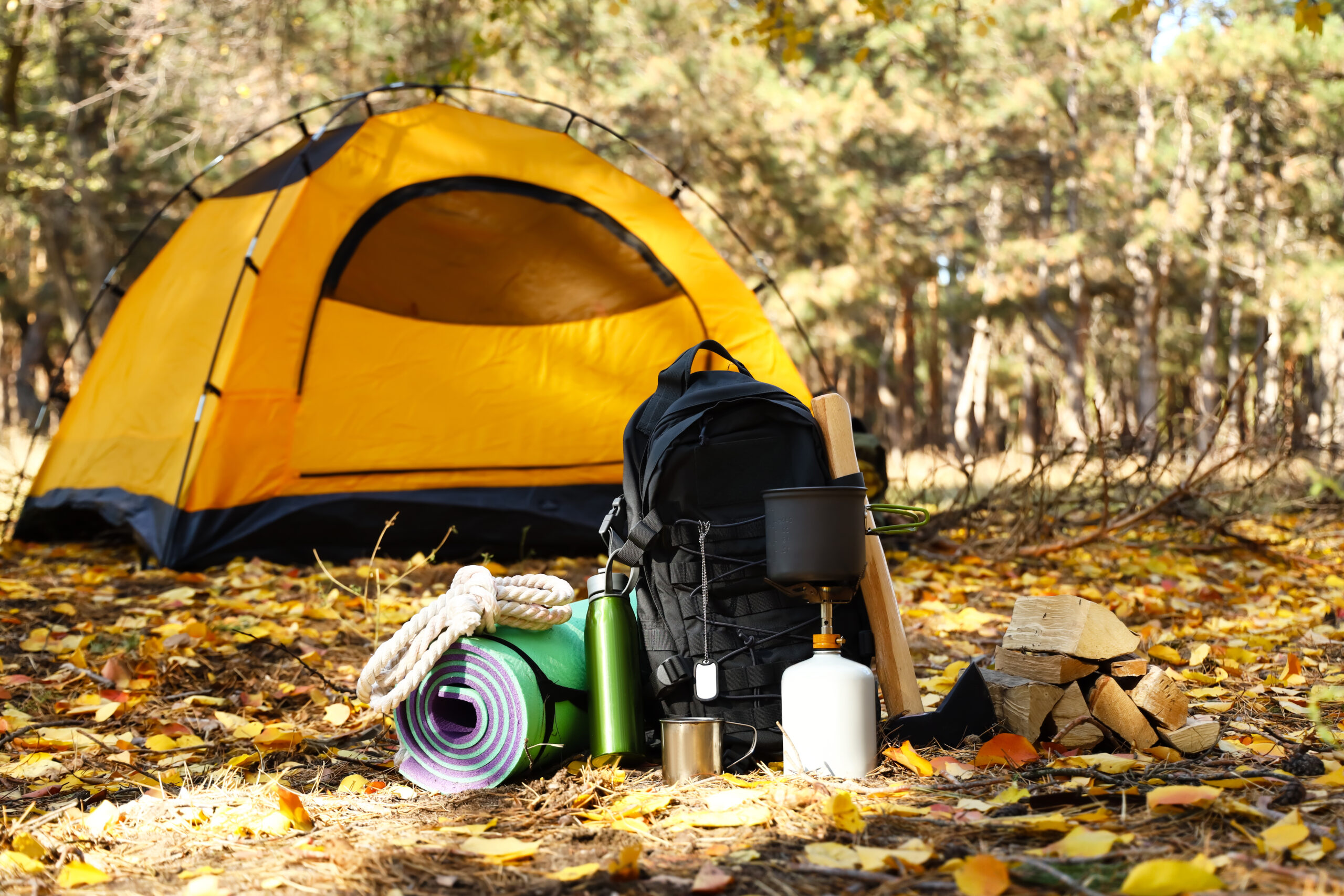
    If you’re an avid hunter, spending multiple days in the wilderness can be both thrilling and challenging. To ensure a successful and comfortable hunting trip, it’s essential to be well-prepared with the right gear and equipment. In this article, we’ll provide you with a comprehensive guide on the camping essentials for hunting trips, covering everything from shelter and clothing to cooking and safety equipment.

    Table of Contents

    1. Choosing the Right Shelter
    – Selecting the Ideal Tent
    – Tarps and Hammocks for Versatility
    – Sleeping Bags and Pads for Comfort

    2. Dressing for Success
    – Layering Clothing for All Weather
    – Waterproof Gear for Rainy Days
    – Quality Footwear for Long Treks

    3. Navigational Tools
    – GPS Devices and Maps
    – Compass and Topographical Knowledge
    – Signal Devices for Emergencies

    4. Cooking in the Wild
    – Portable Stoves and Fuel
    – Cooking Utensils and Cookware
    – Food Storage and Preservation

    5. Safety First
    – First Aid Kit Essentials
    – Fire-Making Tools
    – Bear and Wildlife Safety

    6. Hunting Gear
    – Firearms and Ammunition
    – Optics for Scouting
    – Game Calls and Decoys

    7. Hydration and Water Purification
    – Water Filtration Systems
    – Hydration Packs and Bottles
    – Knowledge of Water Sources

    8. Backpack Selection
    – Choosing the Right Size
    – Comfortable Carrying
    – Organizing Gear Efficiently

    9. Field Dressing and Butchering
    – Field Dressing Tools
    – Meat Preservation Techniques
    – Proper Disposal Methods

    10. Campsite Essentials
    – Lighting Options
    – Insect Repellents
    – Campsite Cleanliness

    11. Survival Skills
    – Navigation Without Technology
    – Shelter Construction
    – Foraging for Edibles

    12. Communication Devices
    – Two-Way Radios
    – Satellite Phones
    – Signaling for Help

    13. Hunting Regulations and Licensing
    – Legal Responsibilities
    – Knowledge of Seasons and Limits
    – Ethics in Hunting

    14. Fitness and Endurance
    – Physical Preparedness
    – Mental Resilience
    – Rest and Recovery

    15. Leave No Trace Principles
    – Environmental Responsibility
    – Minimizing Impact
    – Respect for Wildlife

    Now, let’s delve into the details of each of these crucial aspects for a successful hunting trip in the wilderness.

    1. Choosing the Right Shelter

    Selecting the Ideal Tent

    When it comes to shelter, your choice of a tent is paramount. Look for one that is durable, weather-resistant, and easy to set up. Ensure it provides enough room for both you and your gear.

    Tarps and Hammocks for Versatility

    For those who prefer a more lightweight and versatile option, tarps and hammocks are excellent choices. They are compact and offer various setup configurations.

    Sleeping Bags and Pads for Comfort

    Invest in a high-quality sleeping bag that suits the climate you’ll be in. Pair it with a comfortable sleeping pad to insulate yourself from the cold ground.

    2. Dressing for Success

    Layering Clothing for All Weather

    Dress in layers to adapt to changing weather conditions. Start with moisture-wicking base layers, add insulating layers, and finish with waterproof and windproof outer layers.

    Waterproof Gear for Rainy Days

    Having waterproof gear, including rain jackets and pants, is essential for staying dry during unexpected downpours.

    Quality Footwear for Long Treks

    Choose sturdy, waterproof hunting boots with excellent traction. Ensure they provide ample support for your feet during long hikes.

    3. Navigational Tools

    GPS Devices and Maps

    A GPS device is a modern essential for tracking your location accurately. However, always carry maps as a backup, as technology can fail.

    Compass and Topographical Knowledge

    Learn to use a compass and acquire basic topographical knowledge to navigate the wilderness effectively.

    Signal Devices for Emergencies

    Carry signal devices such as whistles and signal mirrors to alert others in case of emergencies.

    4. Cooking in the Wild

    Portable Stoves and Fuel

    Compact stoves that use a variety of fuels are perfect for cooking in the wild. They are efficient and easy to use.

    Cooking Utensils and Cookware

    Pack lightweight cooking utensils and cookware that are easy to clean and store.

    Food Storage and Preservation

    Use airtight containers and bear-resistant food storage solutions to keep your food safe and to avoid attracting wildlife.

    5. Safety First

    First Aid Kit Essentials

    Prepare a comprehensive first aid kit with essential items to address injuries and medical emergencies.

    Fire-Making Tools

    Pack waterproof matches, lighters, and fire starters to ensure you can build a fire when needed.

    Bear and Wildlife Safety

    Carry bear spray, bear-proof food canisters, and educate yourself on how to safely coexist with wildlife.

    6. Hunting Gear

    Firearms and Ammunition

    Ensure your firearms are properly maintained, and carry an adequate supply of ammunition.

    Optics for Scouting

    Quality binoculars and spotting scopes can be invaluable for scouting and identifying game from a distance.

    Game Calls and Decoys

    Pack game calls and decoys specific to the animals you’ll be hunting to increase your chances of success.

    7. Hydration and Water Purification

    Water Filtration Systems

    Carry a reliable water filtration system to ensure access to safe drinking water throughout your trip.

    Hydration Packs and Bottles

    Stay hydrated with hydration packs or water bottles that are easy to access while on the move.

    Knowledge of Water Sources

    Know where to find water sources in the wilderness and how to purify water from them.

    8. Backpack Selection

    Choosing the Right Size

    Select a backpack that accommodates all your gear comfortably without overburdening you.

    Comfortable Carrying

    Ensure your backpack has padded straps and hip belts for comfortable and ergonomic carrying.

    Organizing Gear Efficiently

    Use packing cubes and compartments to keep your gear organized and easily accessible.

    9. Field Dressing and Butchering

    Field Dressing Tools

    Carry field dressing tools, including knives, bone saws, and game bags, for processing game in the field.

    Meat Preservation Techniques

    Learn how to properly preserve meat in the wilderness to avoid spoilage.

    Proper Disposal Methods

    Dispose of game waste responsibly to minimize environmental impact.

    10. Campsite Essentials

    Lighting Options

    Pack headlamps, flashlights, and lanterns for well-lit evenings at the campsite.

    Insect Repellents

    Keep insects at bay with effective repellents to ensure a peaceful night’s sleep.

    Campsite Cleanliness

    Practice Leave No Trace principles by cleaning up after yourself and leaving the campsite as you found it.

    11. Survival Skills

    Navigation Without Technology

    Enhance your navigation skills by learning to read natural signs and landmarks.

    Shelter Construction

    Know how to construct improvised shelters in case your primary shelter is compromised.

    Foraging for Edibles

    Learn to identify edible plants in the wild to supplement your food supply.

    12. Communication Devices

    Two-Way Radios

    Carry two-way radios for communication with fellow hunters, especially in areas with poor cell reception.

    Satellite Phones

    Invest in a satellite phone for emergency communication in remote areas.

    Signaling for Help

    Learn signaling techniques for attracting attention if you find yourself in a dire situation.

    13. Hunting Regulations and Licensing

    Legal Responsibilities

    Familiarize yourself with local hunting regulations and adhere to them at all times.

    Knowledge of Seasons and Limits

    Know the hunting seasons and bag limits for the game you’re pursuing.

    Ethics in Hunting

    Practice ethical hunting by respecting wildlife and following fair chase principles.

    14. Fitness and Endurance

    Physical Preparedness

    Maintain physical fitness to endure the demands of hunting trips.

    Mental Resilience

    Build mental resilience to handle the challenges and uncertainties of the wilderness.

    Rest and Recovery

    Prioritize rest and recovery to stay sharp and alert throughout your trip.

    15. Leave No Trace Principles

    Environmental Responsibility

    Minimize your impact on the environment by following Leave No Trace principles.

    Minimizing Impact

    Avoid damaging natural habitats and ecosystems.

    Respect for Wildlife

    Observe wildlife from a distance and avoid disturbing their natural behavior.

    By following these guidelines and recommendations, you can embark on a hunting trip well-prepared and equipped for success in the wild. Remember that safety and ethical hunting practices should always be your top priorities.

    Conclusion

    Camping and hunting in the wilderness can be incredibly rewarding experiences. To make the most of your trip and ensure your safety, it’s crucial to invest in the right gear and develop essential skills. With the right equipment and knowledge, you can enjoy the great outdoors while pursuing your passion for hunting.

    FAQs

    1. What are the most important items to pack for a hunting trip?
    – The most important items include shelter, clothing, hunting gear, navigation tools, and safety equipment.

    2. How do I choose the right hunting backpack?
    – Choose a backpack that fits comfortably, has ample storage, and allows for efficient gear organization.

    3. What is Leave No Trace and why is it important?
    – Leave No Trace is a set of principles that promote responsible outdoor ethics, ensuring minimal impact on the environment.

    4. What should I do if I encounter wildlife while hunting?
    – Maintain a safe distance, do not disturb the animals, and always follow wildlife regulations.

    5. How can I stay safe during a hunting trip?
    – Stay informed about local regulations, carry safety equipment, and always let someone know your itinerary and expected return time.

    Now that you’re well-equipped with knowledge about camping essentials for hunting trips, it’s time to embark on your next adventure in the wilderness. Stay safe, enjoy the experience, and make lasting memories in nature.
  • The Role of Weather in Hunting/Fishing: How Different Conditions can Affect your Outing

    The Role of Weather in Hunting/Fishing: How Different Conditions can Affect your Outing

    Introduction

    When it comes to outdoor activities like hunting and fishing, the weather plays a pivotal role in determining the success of your outing. From sunny days to stormy nights, each weather condition brings its own set of challenges and opportunities for outdoor enthusiasts. In this article, we will explore how different weather conditions can affect your hunting and fishing experiences, providing insights into how to adapt and make the most of each situation.

    Understanding the Impact of Weather

    Sunny Days: A Mixed Blessing

    Sunny days may seem like the ideal weather for outdoor activities, but for hunters and anglers, they come with their own set of challenges. The bright sunlight can make wildlife more cautious, making it harder to approach and hunt your quarry. On the flip side, sunny days can be excellent for fishing, as fish are more active and visible in clear waters.

    Rainy Days: The Hidden Opportunities

    Rainy days can be a blessing in disguise for hunters. The sound of rain can mask your movements, making it easier to get closer to your prey. However, fishing during heavy rain can be challenging, as fish tend to seek shelter, making them less accessible.

    Windy Conditions: The Hunter’s Dilemma

    Strong winds can be a double-edged sword. While they can help mask your scent and make it harder for animals to detect you, they can also affect your accuracy when taking a shot. Anglers, on the other hand, may find windy days challenging, as it can be difficult to maintain control over their fishing lines.

    Foggy Mornings: A Hunter’s Paradise

    Foggy mornings create the perfect conditions for stealthy hunters. The limited visibility can work in your favor, allowing you to get closer to your target without being noticed. However, anglers may find it challenging to navigate and locate fish in such conditions.

    Seasons and Weather

    Spring: A Time of Renewal

    Spring brings a mix of weather conditions, from rain showers to sunny days. This season is ideal for both hunting and fishing, as it marks the renewal of life in the natural world. Wildlife becomes more active, and fish start moving to shallow waters for spawning.

    Summer: The Long, Hot Days

    Summer can be challenging for hunting, as the hot weather can make animals less active during the day. Early morning and late evening hunts are more successful during this season. However, summer is a great time for fishing, as warm waters encourage fish to feed more actively.

    Fall: Hunting Season’s Peak

    Fall is the prime season for hunting. Cooler temperatures and the changing foliage make it easier to spot game. Fishing remains productive in the early fall, but as the water cools, fish become less active.

    Winter: The Silent Season

    Winter hunting requires special preparation, as animals are focused on conserving energy. Fishing also slows down in the cold months, but ice fishing becomes a popular activity in regions with frozen lakes.

    Adapting to Weather Conditions

    Gear and Clothing

    Investing in weather-appropriate gear and clothing is crucial for outdoor enthusiasts. Waterproof clothing, insulated boots, and camouflage gear can make a significant difference in your comfort and success in the field.

    Timing Matters

    Understanding the behavior of wildlife and fish during different weather conditions can help you plan your outings effectively. Choosing the right time of day and season can greatly improve your chances of a successful hunt or catch.

    Safety First

    Regardless of the weather, safety should always be a priority. Be prepared for sudden changes in weather conditions, carry necessary supplies, and inform someone about your plans and expected return time.

    Conclusion

    In the world of hunting and fishing, weather plays a significant role in determining the outcome of your outings. Each weather condition presents its own challenges and opportunities, and adapting to them is the key to a successful experience. By understanding the impact of weather, considering the season, and making necessary preparations, you can make the most of your time in the great outdoors.

    FAQs

    1. Q: Can I go hunting during a thunderstorm?
    A: It’s not advisable to go hunting during a thunderstorm due to safety concerns. Lightning can pose a significant risk in open areas.

    2. Q: What is the best time of day for fishing in the summer?
    A: Early morning and late evening are the best times for fishing in the summer when the temperatures are cooler, and fish are more active.

    3. Q: Do I need a specific license for ice fishing?
    A: Yes, in most regions, you will need a special ice fishing license. Check with your local authorities for regulations and requirements.

    4. Q: How can I stay warm while hunting in winter?
    A: Dressing in layers, using insulated clothing, and using hand and foot warmers can help you stay warm during winter hunting trips.

    5. Q: Are there any weather apps that can help me plan my outdoor activities?
    A: Yes, there are several weather apps available that provide detailed forecasts and information tailored to outdoor enthusiasts. Consider using one to plan your outings effectively.


  • Safety First: Emphasizing the Importance of Safety Measures and Gear When Hunting or Fishing

    Safety First: Emphasizing the Importance of Safety Measures and Gear When Hunting or Fishing

    Introduction

    Hunting and fishing are cherished outdoor activities enjoyed by millions worldwide. However, amidst the thrill of the hunt and the serenity of the fishing trip, it’s crucial to prioritize safety. This article delves into the paramount importance of safety measures and gear in the world of hunting and fishing, ensuring that these pastimes remain enjoyable and secure for everyone involved.

    The Basics of Safety

    H1: Prioritizing Your Well-being

    When engaging in hunting or fishing, your safety should be your foremost concern. To ensure a secure experience, follow these essential guidelines.

    H2: Know Your Environment

    Understanding the environment you’re entering is key. Research the area thoroughly, including its terrain, wildlife, and potential hazards.

    H3: Essential Gear Checklist

    Before embarking on your outdoor adventure, make sure to gather the necessary gear:

    • H4: Firearms Safety: If hunting with firearms, ensure you are well-versed in firearm safety protocols.
    • H4: Fishing Equipment: Check your fishing gear for any signs of damage and replace any faulty equipment.
    • H4: Personal Protective Gear: Always wear appropriate safety gear such as helmets, life jackets, and protective clothing.
    • H4: First Aid Kit: Carry a well-stocked first aid kit to address any minor injuries that may occur.

    Safety Tips for Hunting

    H1: Firearm Safety

    Hunting with firearms requires a high level of responsibility. Here’s how to stay safe:

    H2: Firearms Training

    Before heading into the field, undergo proper firearms training. Familiarize yourself with your weapon and its operation.

    H2: Proper Storage

    When not in use, store firearms securely. Ensure that they are unloaded, locked, and out of reach of children.

    H2: Identify Your Target

    Never shoot at a target unless you are absolutely certain of what it is. Always positively identify your target before firing.

    H2: Respect Hunting Seasons and Regulations

    Adhere to hunting seasons and local regulations. Poaching not only endangers wildlife but also risks legal consequences.

    Safety Measures for Fishing

    H1: Water Safety

    Fishing often involves being near or on water. Here’s how to stay safe while angling:

    H2: Life Jackets

    Always wear a life jacket when fishing from a boat or near deep water. Accidents can happen quickly, and a life jacket can be a lifesaver.

    H2: Weather Awareness

    Keep an eye on the weather forecast. Sudden storms can put you at risk, so it’s best to be prepared and know when to call it a day.

    H2: Respect Catch Limits

    Abide by catch limits and size regulations. Responsible fishing helps maintain fish populations and ensures a thriving ecosystem.

    Conclusion

    In the world of hunting and fishing, safety should never be an afterthought. Prioritizing your well-being, understanding your environment, and using the right gear are all crucial elements of a successful outdoor adventure. By following these safety guidelines, you can enjoy the thrill of hunting and the relaxation of fishing while ensuring that you return home safely.

    FAQs

    Q1: Is hunting and fishing safe for beginners?

    Yes, hunting and fishing can be safe for beginners if they undergo proper training and follow safety guidelines.

    Q2: What should I do if I encounter dangerous wildlife while hunting?

    If you encounter dangerous wildlife, try to make noise and back away slowly. Avoid running or turning your back on the animal.

    Q3: Are there specific safety measures for ice fishing?

    Yes, ice fishing comes with its own set of safety precautions, such as checking ice thickness, carrying safety picks, and wearing warm clothing.

    Q4: Do I need a fishing license to fish in all locations?

    Most locations require a fishing license. It’s essential to check local regulations and obtain the necessary permits before fishing.

    Q5: How can I teach my children about hunting and fishing safety?

    Teaching children about safety is crucial. Start with age-appropriate discussions, emphasize the importance of responsibility, and lead by example when it comes to safety practices.

    In this article, we’ve highlighted the critical importance of safety measures and gear when engaging in hunting and fishing activities. By following these guidelines, outdoor enthusiasts can enjoy their adventures while minimizing risks and ensuring a safe and enjoyable experience.

  • Hunting and Fishing Seasons: A Comprehensive Guide to Opening Dates, Peak Times, and Regulations in SC

    Hunting and Fishing Seasons: A Comprehensive Guide to Opening Dates, Peak Times, and Regulations in SC

    Introduction
    When it comes to outdoor enthusiasts in South Carolina, there’s no shortage of opportunities for hunting and fishing. With its diverse landscapes and abundant wildlife, the Palmetto State offers a year-round playground for those who love to hunt and fish. In this comprehensive guide, we’ll delve into the opening dates, peak times, and regulations for hunting and fishing in South Carolina.

    H1: Hunting Seasons

    Deer Hunting
    One of the most popular hunting activities in South Carolina is deer hunting. The season typically opens in early August with archery and runs through January. Firearms season for deer hunting usually starts in mid-October and extends into early January. Peak times for deer hunting vary depending on the weapon used, with the rut (mating season) occurring in late October and early November.

    Turkey Hunting
    Turkey hunting enthusiasts can look forward to the spring season, which usually starts in early April and continues into early May. The fall season for turkey hunting typically runs from October to November. The best times for turkey hunting are during the spring when gobblers are actively seeking mates.

    Waterfowl Hunting
    Waterfowl hunters can enjoy hunting ducks and geese during the fall and winter months. The waterfowl season generally opens in November and extends into late January. Peak times for waterfowl hunting are typically in December when migration is at its peak.

    H2: Fishing Seasons

    Freshwater Fishing
    South Carolina offers fantastic freshwater fishing opportunities, with popular species like bass, catfish, and crappie. Fishing in the state is excellent year-round, but certain times are more favorable. Spring and early summer are ideal for bass fishing, while catfish are active throughout the year. Crappie fishing is best during the cooler months, from late fall to early spring.

    Saltwater Fishing
    The coastal areas of South Carolina provide excellent saltwater fishing opportunities. Species like redfish, trout, and flounder are abundant. The fishing season for saltwater species varies, but the spring and summer months are generally prime time for these species. Regulations may apply, so always check for updates.

    H3: Hunting and Fishing Regulations
    Before heading out on your hunting or fishing adventure, it’s crucial to be aware of the regulations in South Carolina. Bag limits, hunting seasons, and fishing size restrictions can vary by species and location. Always consult the South Carolina Department of Natural Resources (SCDNR) website or local authorities for the most up-to-date information on regulations.

    H4: Conclusion
    In South Carolina, hunting and fishing seasons offer something for everyone, whether you prefer chasing deer through the woods or casting your line into the ocean. Understanding the opening dates, peak times, and regulations is essential for a successful and responsible outdoor experience. So, gear up, plan your trips, and make the most of the abundant hunting and fishing opportunities that the Palmetto State has to offer.

    FAQs
    Q1: Can I hunt and fish year-round in South Carolina?
    A1: While South Carolina offers hunting and fishing opportunities throughout the year, specific seasons and regulations apply to various species. It’s essential to check the SCDNR website for the latest information.

    Q2: Are there any special regulations for out-of-state hunters and anglers in South Carolina?
    A2: Out-of-state hunters and anglers should familiarize themselves with South Carolina’s regulations, which may differ from their home state. Non-resident licenses and permits are typically required.

    Q3: Can I hunt and fish on public lands in South Carolina?
    A3: Yes, South Carolina has public lands where hunting and fishing are permitted. However, specific rules and regulations may apply, so always check with the managing agency for the latest information.

    Q4: Are there any endangered species I should be aware of when hunting or fishing in South Carolina?
    A4: South Carolina is home to various wildlife species, including some endangered or protected ones. It’s essential to be knowledgeable about these species and their habitats to avoid any unintentional harm.

    Q5: Where can I purchase hunting and fishing licenses in South Carolina?
    A5: You can buy hunting and fishing licenses online through the SCDNR website, at authorized retailers, or by visiting a local SCDNR office. Be sure to have the necessary licenses and permits before your outdoor adventure.

  • When to Plant Food Plots for Deer Hunting Success

    When to Plant Food Plots for Deer Hunting Success

    Deer hunting is a cherished tradition for many outdoor enthusiasts, offering an opportunity to connect with nature, test one’s skills, and bring home a rewarding prize. One of the key strategies to maximize your chances of success is creating effective food plots that attract deer to your hunting grounds. These strategically cultivated areas provide a consistent source of nutrition, drawing deer in and increasing your chances of a successful hunt. In this article, we’ll delve into the optimal timing for planting food plots, ensuring you’re equipped with the knowledge needed to enhance your deer hunting experience.

     Table of Contents

    1. Understanding the Importance of Food Plots
    2. Selecting the Right Location for Your Food Plot
    3. Essential Tools and Equipment
    4. Choosing the Right Plants for Your Food Plot
    5. Factors Influencing Planting Times
    6. Spring Food Plot Planting
    7. Summer Food Plot Planting
    8. Fall Food Plot Planting
    9. Winter Food Plot Planting
    10. Preparing the Soil for Planting
    11. Planting Techniques for Food Plots
    12. Maintenance and Management of Food Plots
    13. Monitoring Deer Activity and Behavior
    14. Signs of a Successful Food Plot
    15. Conclusion

     Understanding the Importance of Food Plots

    Food plots are cultivated areas specifically designed to provide a steady supply of nutrition for deer. They consist of carefully selected plants that offer the necessary nutrients to attract deer and keep them returning to the same area. The strategic placement of food plots can significantly impact the movement and behavior of deer, increasing the likelihood of successful hunting.

     Selecting the Right Location for Your Food Plot

    The location of your food plot plays a crucial role in its effectiveness. Choose an area that is easily accessible for deer and offers cover and concealment for your hunting spot. It’s essential to analyze the terrain, natural deer movement patterns, and the proximity to water sources.

     Essential Tools and Equipment

    Before you start planting, gather the necessary tools and equipment. This includes items like plows, tractors, seed spreaders, rakes, and soil testing kits. The right equipment ensures that your food plot gets off to a strong start.

     Choosing the Right Plants for Your Food Plot

    Select plants that are native to your region and provide the right balance of nutrition. Common choices include clover, soybeans, alfalfa, and brassicas. These plants offer a mix of protein and carbohydrates that are essential for deer health.

     Factors Influencing Planting Times

    The timing of planting your food plot depends on various factors, including your geographic location, climate, and the specific plants you’ve chosen. Understanding these influences will help you determine the best time to plant.

     Spring Food Plot Planting

    Spring is an ideal time for planting food plots, as the warming temperatures encourage plant growth. This is especially important for warm-season plants like soybeans and sunflowers.

     Summer Food Plot Planting

    Summer planting can work for cool-season plants like clover and chicory. These plants can handle the heat and provide a valuable food source during the hotter months.

     Fall Food Plot Planting

    Fall is a critical time for planting food plots, as deer are preparing for the colder months. Cold-season plants like oats and wheat can provide essential nutrition during this time.

     Winter Food Plot Planting

    In mild-winter regions, planting winter rye or winter wheat can ensure deer have access to food during the harshest months. These hardy plants can survive colder temperatures.

     Preparing the Soil for Planting

    Properly preparing the soil is crucial for the success of your food plot. Conduct soil tests to determine its pH and nutrient levels, and make any necessary amendments to create an optimal growing environment.

     Planting Techniques for Food Plots

    Consider various planting techniques, such as broadcasting seeds or using seed drills, to ensure even distribution and proper coverage. Pay attention to seed depth and spacing for optimal results.

     Maintenance and Management of Food Plots

    Food plots require ongoing maintenance, including weed control, fertilization, and pest management. Regular visits to your plot will help keep it healthy and attractive to deer.

     Monitoring Deer Activity and Behavior

    Set up trail cameras near your food plots to monitor deer activity and behavior. This information can help you adjust your hunting strategies based on their movement patterns.

     Signs of a Successful Food Plot

    Increased deer activity, well-worn trails, and healthy plants are signs of a successful food plot. These indicators can boost your confidence in your hunting location.

     Conclusion

    Incorporating strategically timed and well-maintained food plots into your deer hunting strategy can significantly increase your chances of success. By understanding the planting times that align with each season and the importance of native plant selection, you’ll create an environment that consistently attracts and sustains deer populations. So, gear up with the right knowledge, equipment, and commitment, and elevate your deer hunting experience to new heights.

     FAQs

    Q1: Can I plant food plots in any season?
    A: While different seasons offer unique planting opportunities, it’s essential to select the right plants and techniques based on the time of year.

    Q2: What are some low-maintenance plant options for food plots?
    A: Clover and chicory are known for their resilience and low-maintenance characteristics, making them suitable choices for food plots.

    Q3: How frequently should I check and maintain my food plot?
    A: Regular visits every few weeks are recommended to ensure your food plot remains healthy and free from invasive weeds.

    Q4: Are there any legal considerations for planting food plots for hunting?
    A: Yes, it’s essential to understand local hunting and planting regulations before establishing food plots for hunting purposes.


  • Mastering the Art of Selection: How to Pick the Best Fishing Bait

    Mastering the Art of Selection: How to Pick the Best Fishing Bait

    Choosing the ideal fishing bait is a fundamental aspect of angling. Not only does your bait choice influence the type of fish you’ll reel in, but it can also dramatically enhance your overall fishing experience. Here, we’ll dive into the critical considerations and proven strategies to help you choose the best fishing bait.

    Firstly, the species of fish you’re targeting is arguably the most crucial factor to consider when choosing your bait. Different fish have different dietary preferences, so it’s essential to match your bait to your intended catch. For instance, while live worms and minnows can attract a wide range of fish species like bass and catfish, using specific baits such as clams or cut bait can be more effective for species like carp or catfish, respectively.

    Next, let’s consider the benefits of live bait versus artificial bait. Live bait, such as minnows, worms, or insects, is an effective choice due to its natural scent, color, and movement, which are very attractive to fish. On the other hand, artificial baits or lures are reusable, offer a broader variety of shapes and colors, and are ideal for catch and release, as they’re less likely to be swallowed whole by fish.

    Choosing between live and artificial bait largely depends on your fishing goals and environment. Live bait is great for casual anglers targeting numerous species, while artificial baits often cater to experienced anglers targeting specific species.

    Water conditions also influence bait selection. In murky or stained water, where visibility is low, your bait’s scent and vibration become key to attracting fish. Live bait or scented artificial baits work well in these conditions. In clear water, however, sight feeding fish are more likely to be lured by the visual appeal of artificial baits, especially those that mimic local forage.

    Time of year is another consideration. As the seasons change, so too do the dietary preferences of fish. For instance, in the spring, bass are known to favor crawfish, meaning baits that mimic these crustaceans can yield impressive results. Come summer and fall, they may switch to a diet rich in shad, so bait mimicking these fish would be more effective.

    Finally, local knowledge is an invaluable resource in selecting the best bait. Local fishing reports, bait shops, or fellow anglers can provide insight into what the fish are biting on at any given time. Never underestimate the value of this “on the ground” intel.

    As with any skill, choosing the right fishing bait becomes easier with practice. As you spend more time on the water, you’ll begin to understand what works best in various scenarios and what your target species prefers. Here’s a quick summary of our bait selection guide:

    1. Species Specific: Tailor your bait to the diet of the species you’re targeting.
    2. Live vs. Artificial: Consider the advantages of live bait’s scent and movement versus the diversity and durability of artificial bait.
    3. Water Conditions: In murky water, scent and vibration are king, while visual appeal dominates in clear water.
    4. Seasonal Preferences: Keep in mind that fish diets can change with the seasons.
    5. Local Knowledge: Use local resources to gain insight into what’s working in your specific location.

    Fishing is as much an art as it is a science, and the bait you use is your paintbrush. Whether you’re a weekend hobbyist or an experienced angler, understanding how to pick the best fishing bait will undoubtedly enhance your fishing experience and potentially lead to more successful catches. Happy fishing!

  • The Best Backyard Sports For Families: How To Choose The Right Sport For Your Family And Your Space

    The Best Backyard Sports For Families: How To Choose The Right Sport For Your Family And Your Space

    Outdoor activities are an excellent way for families to stay active and bond together. There is no shortage of sports that can be played in the backyard, but choosing the right one for your family can be tricky.

    With so many options available, it’s important to understand which sport best fits your space and skill level. This article will take you through everything you need to know about finding the perfect backyard sport for your family.

    Types Of Backyard Sports

    When choosing the right sport for your family and backyard space, it’s important to consider a few key elements.

    Accessibility concerns are paramount – is everybody in your family able to participate? Will you need any additional equipment?

    Weather considerations should also be considered, as some sports may not be suitable for all seasons.

    Plenty of outdoor activities can make great backyard sports: basketball hoops, badminton nets, croquet sets, horseshoes, and more.

    With some research, you can find an activity that will fit perfectly with your group dynamic and available resources.

    Plus, there’s nothing better than getting everyone together outdoors on a nice day!

    Taking Skill Levels Into Account

    When selecting a backyard sport for your family, it’s essential to consider the skill levels of each person who will be playing. You want to ensure everyone can enjoy the experience and not feel excluded due to lack of experience or training.

    Take time to assess the skills of each player so you can choose an activity that is accessible yet still challenging enough for those with more advanced abilities.

    For beginners, there are plenty of sports explicitly designed for them. Look into games like cornhole and ladder ball which involve minimal complexity but still allow for fun and competition. If your family members have mastered these activities, look into lawn tennis or croquet as they require finesse and strategy to win.

    Whatever game you select, ensure it’s suited for all levels so no one feels left out.

    No matter what type of sport you pick, ensure that everyone involved has access to instruction on how to play properly and safely. This way, players at any level can get up to speed quickly and start having fun immediately!

    Finding Space For The Sport

    Once you have your family’s skill level taken into account, it’s time to think about where they will actually be playing. Space is a significant factor when choosing the right backyard sport for your family and can make or break an enjoyable experience.

    When selecting the space for play, consider factors like weatherproofing, outdoor lighting, available terrain and ease of setup.

    Weather-proofing means ensuring rain and sun won’t interfere with gameplay.

    When deciding on outdoor lighting, remember that some sports require more light than others; try looking into solar-powered lights if wiring isn’t an option.

    Additionally, take a look at the terrain – grassy areas are great for most games while uneven surfaces may limit certain activities such as basketball or soccer.

    And finally, how easy is it to set up? Will you need to build something permanent or could you use temporary equipment?

    Considering all these things before jumping in will ensure a successful backyard sports experience for your family.

    Ensuring Safety For All Participants

    The sun is shining, and the birds are chirping; what better way to spend a day in the backyard with your family than playing sports? With so many outdoor activities available to choose from, it’s important to ensure that everyone can play safely.

    Families can be assured that they’re enjoying their time together without risking health or well-being by imagining each person taking their place in a carefully choreographed routine of social distancing and safety protocols.

    When choosing a sport for any family gathering, make sure there is ample space between players at all times and that proper protective gear is worn when necessary.

    Additionally, if possible set up hand sanitizing stations throughout the area as an extra precaution against germs.

    By staying mindful of safety guidelines and adhering to common sense principles such as washing hands regularly and avoiding contact with others outside the immediate household unit, families can enjoy active outdoor recreation while protecting themselves from potential harm.

    Supplies And Equipment Needed

    When it comes to ensuring the safety of all participants, there are a few basic guidelines and rules that should be followed. Setting up boundaries for play and understanding any sporting regulations beforehand can help keep everyone safe.

    Now that you’ve taken steps toward creating a safe atmosphere for your family-friendly games, let’s discuss the supplies and equipment needed.

    Depending on what type of sport you choose, some items may need to be purchased or rented to have an enjoyable experience. For example, if you opt for basketball, a hoop and ball are necessary; if volleyball is more your speed, you’ll need nets and other materials like post anchors.

    Considering the size of your yard will also determine how much space is available for playing certain sports. Once these things have been figured out, make sure to gather everything required before beginning the game!

    With all bases covered, you’ll be able to enjoy time together as a family while exercising at home!

    Staying Within Budget

    Let’s talk about shopping for deals and budgeting for expenses when it comes to buying backyard sports for our families.

    We’ll need to consider what fits our budget and space to find the best value for our money.

    Shopping For Deals

    Finding deals and comparing prices can be a great way to stay within budget when shopping for family sports equipment.

    Shopping around is key; take advantage of online discounts, sale items, and store coupons – you never know what kind of deal you might find!

    It pays to do your research before making the purchase; read reviews on websites or ask friends who have bought similar products.

    After all, saving money doesn’t mean sacrificing quality – just being smart with your spending habits.

    So don’t forget that bargain hunting can help make backyard sports more affordable for families!

    Budgeting For Expenses

    It’s important to remember that budgeting and money-saving go hand in hand.

    Knowing your expenses ahead of time can help you make smarter decisions when it comes to spending.

    Planning out how much money you need for groceries, transportation, entertainment, etc., will also show you where you can save some cash by cutting back on certain items or finding alternative ways to get the same result.

    Additionally, implementing a few simple budgeting tips such as making lists before shopping and tracking all purchases are great strategies for sticking to your financial goals.

    So why not use these tactics to keep your family within budget?

    Making It Fun For Everyone

    Making it Fun for Everyone is essential when choosing the right backyard sport for your family.

    Whether you’re playing with just a few people or an entire team, everyone should have fun and feel included.

    To create this atmosphere, start by forming fair and balanced teams in terms of age, skill level, and size; doing so will foster competition and keep it enjoyable for all involved.

    To make sure everyone has a good time, consider setting up some house rules like no taunting or trash-talking during playtime – after all, not everybody enjoys heated games as much as others do!

    Similarly, set clear boundaries on what counts as “winning” to avoid arguments about who emerged victorious.

    Lastly, reward players for their efforts through verbal encouragement or small prizes – these little rewards can go a long way in making backyard sports more exciting and rewarding!

    Conclusion

    Overall, finding the right backyard sport for your family can be a difficult task. With so many different options and factors to consider, it’s important to take the time to find something that meets everyone’s needs and preferences.

    Ultimately, enthusiasm is key when choosing an outdoor activity – if you make sure it’s fun for all involved, you’ll hit a home run with whatever game or sport you choose!

    As they say “A family that plays together stays together” – so get out there and enjoy some quality time in your backyard!

  • The Best Time Of The Day To Hunt Deer

    The Best Time Of The Day To Hunt Deer

    Hunting deer can be a fun and exciting experience, but it takes skill and knowledge to do it successfully. Knowing the best time of day to hunt deer is key for success in your hunting endeavors.

    By understanding when deer are most active and how their behavior changes throughout the day, you can increase your chances of bagging a trophy buck.

    In this article, we’ll explore the best times of day to hunt deer so that you can make the most out of every outing!

    Morning Hours For Maximum Activity

    The morning is the best time of day to hunt deer. As the sun rises, signaling a new day, stillness and quiet pervade the air – an ideal environment for hunters seeking their prey. The dense woods come alive with birds singing and small creatures stirring as they begin their daily routines. This offers perfect conditions for stealthy hunting, allowing hunters to get close enough to spot or even stalk their quarry without being detected.

    As dawn approaches, hungry deer are most active in search of food before settling into bedding areas during the heat of midday. After feeding all night long, will lead fawns from hiding spots shortly after sunrise – so it’s crucial that hunters be out early if they hope to have any chance at success!

    Thus, setting up camp near potential trails used by these animals can increase your chances of bagging one of these majestic creatures.

    Mid-Day For Routine Feeding

    Though morning hours may be the best time for maximum deer activity, mid-day can also offer some hunting opportunities.

    During this time of day, deer are more likely to have settled into their daily routines and will be focused on feeding in specific areas that they consider safe.

    This means that a hunter looking for an easy target should take advantage of these patterns by scouting out potential areas where deer might feed during the middle of the day.

    It’s important to remember though that while there may be fewer animals active at this time, those present will still require careful stalking and skilled shooting if you want to make a successful kill.

    Successful hunters know how to spot signs like tracks or droppings and use them as clues to locate game when conditions don’t favor direct sightings.

    With patience and practice, anyone can learn how to effectively hunt deer during mid-day hours.

    Afternoon For Warmer Weather

    According to recent studies, the best time of day for hunting deer is in the afternoon. This may be due to the warmer weather and improved visibility that this part of the day offers.

    With an average temperature increase of 7 degrees Fahrenheit after midday, it’s no wonder why hunters prefer to schedule their hunts during this part of the day.

    In addition, there are more hours of daylight available in the afternoon which helps make spotting deer easier.

    Recent surveys have found that 73% of successful deer hunters report that they hunt between 12-3 pm when trying to find prey.

    Furthermore, with lower temperatures come less noise and movement from other animals and predators making it easier for hunters to focus on their targets without interference.

    Dusk And Dawn For Better Visibility

    However, the best time of day to hunt deer is either dusk or dawn. During these times of the day, hunters have better visibility as the sun rises and sets. The shadows created by these times of day help camouflage a hunter’s movements so that they can remain undetected by their prey.

    Additionally, it gives them an opportunity to scout out potential locations for hunting before moving in closer. Furthermore, while temperatures may be colder at this time of day, there is often less wind which helps keep noise from scaring away game.

    With all these advantages combined with proper preparation, deer can be successfully hunted during either dusk or dawn hours.

    Late Evening For Buck Movement

    The late evening is a prime time for hunting deer.

    As the sun sets, and the night sky takes over, the air hums with anticipation as nature prepares to break into full swing.

    Everything from crickets chirping to owls hooting can be heard in the darkening forest as nocturnal animals come alive.

    During this magical hour, bucks are on their feet browsing or seeking new territory; it’s an ideal opportunity for hunters to take advantage of their heightened activity.

    When taking aim at a buck during this special time of day, patience and precision will pay off handsomely.

    Conclusion

    The best time of day to hunt deer really depends on the season and weather conditions.

    In summary, if you want maximum activity at dawn or dusk, late evening for buck movement and better visibility, mid-day for routine feeding, or afternoon for warmer temperatures – any can be a successful hunting time.

    It all boils down to being in tune with your environment and knowing when it’s the right time to take that shot.

    You have to strike while the iron is hot if you wanna bag that big one!

  • The Challenges Of Saltwater Fishing: How To Fish In The Ocean Safely And Successfully

    The Challenges Of Saltwater Fishing: How To Fish In The Ocean Safely And Successfully

    Fishing in the ocean can be an exciting and rewarding experience, but it also poses a special set of challenges. If you’re new to saltwater fishing or are considering taking up this hobby, understanding how to fish safely and successfully is key. This article will provide tips on facing the unique obstacles associated with saltwater fishing so that any angler can enjoy their time out on the water without fear of failure. Here’s everything you need to know about tackling the perils of oceanic fishing!

    The ocean brings its own dangers and difficulties; from high waves to unpredictable weather patterns, not to mention all sorts of marine life that could make your trip truly wild! But don’t let these potential hazards deter you – by following some simple steps, you’ll be able to fish with confidence and come away with plenty of delicious catches. We’ll discuss choosing the right gear, finding reliable information sources, developing strategies for different conditions, staying safe while at sea, and more. With our help, anyone can become an expert saltwater fisher in no time.

    From amateur enthusiasts to professional fishermen alike: if you want to learn how to bravely take on the open seas and cast a line into unknown depths…this guide has got you covered! So read ahead for advice on becoming a successful sailor-angler who knows exactly what they’re doing every step of the way!

    Types Of Saltwater Fish

    The ocean offers a wide variety of fish, each with its own unique characteristics and traits. It’s like an entire world down there; one that is often mysterious, but full of amazing possibilities. Picture the vastness of the sea before you—it’s as if you can feel all of the potentials just waiting to be discovered!

    Fishing in saltwater has become increasingly popular over recent years due to many species being plentiful and easy to catch. There are two main types of fish commonly caught in these waters: bottom feeders, such as cod and flounder, which stay close to the seafloor; and pelagic fishes, such as tuna and mackerel, which swim further out from land. Each type requires different techniques for successful fishing; understanding what works best will help make your trip more enjoyable.

    Whether it’s targeting a specific species or simply enjoying the adventure, saltwater fishing can be rewarding for anglers at any level. With plenty of opportunities for both novice and experienced fishermen alike, it’s no wonder why this activity continues to draw people from around the globe. And now that you have a sense of the types of fish available in saltwater environments, let’s look at how we can prepare for a successful deep-sea excursion.

    Preparing For A Fishing Trip

    Now that you know the types of saltwater fish and where they can be found, it’s time to think about preparing for a fishing trip in the ocean. The most important element is safety; without proper precautions, an enjoyable day out on the water could end up being dangerous or even deadly. No matter what type of fishing experience you seek, here are some tips for ensuring your next adventure is successful and safe.

    First, make sure you have all the necessary equipment and supplies: life jackets and other floatation devices, appropriate clothing (such as waders), sun protection, first-aid kit, navigation tools like a compass or GPS device, bait and tackle box with lures and lines, food/snacks/drinks – depending on how long you will be out there. If possible bring someone with knowledge of local conditions who can show you around safely. You should also check weather forecasts before heading out to sea.

    Second, familiarize yourself with local regulations relevant to saltwater fishing including catch limits, size restrictions and seasons when certain species may not be harvested. This information is available online via Coast Guard websites or from state marine organizations such as the National Oceanic & Atmospheric Administration (NOAA). It’s also wise to research any potential hazards associated with your specific destination – currents, offshore winds and unexpected storms can take inexperienced boaters by surprise.

    Finally, consider hiring a professional guide if this is your first time navigating open waters or targeting certain species of fish in unfamiliar territory. Experienced guides provide valuable insight into successful techniques while teaching basic skills which might come in handy later on during solo trips. With these few steps taken care of beforehand, you’ll be ready for an amazing outing in search of the perfect catch!

    Necessary Equipment And Supplies

    In order to have a successful and safe saltwater fishing experience, it’s essential to be equipped with the necessary equipment. A good quality rod and reel are key; they come in different sizes depending on what type of fish you’re targeting. You’ll also need lures or bait, lines, weights, hooks, pliers, nets, swivels and more. Make sure you’ve got enough line for the ocean’s depths—it can get pretty deep out there!

    Another important factor is clothing: wear layers that are comfortable but still protect from sunburns and other elements. Sunscreen should always be packed along with hats and sunglasses so your eyes don’t strain while looking into the water. Lastly, it’s important to bring plenty of snacks and drinks as well as a first-aid kit just in case of an emergency.

    With all these supplies ready to go, you’ll be prepared for whatever comes your way during your saltwater fishing adventure. Now it’s time to learn about ocean safety tips for a smoother trip ahead.

    Ocean Safety Tips

    Staying safe in the ocean is essential for a successful fishing trip. That means understanding how to read tides and currents, being aware of potential dangers like rip currents or storms, and taking precautions against sunburns or bites from jellyfish. Here are some key safety tips that can help make your saltwater fishing experience enjoyable:

    First, always be prepared – research the area you’ll be fishing so you know what kind of conditions to expect. Bring appropriate supplies such as sunscreen and bug spray, emergency items like flares or life jackets, and first-aid materials if needed. Make sure your boat is properly equipped with navigation lights and all necessary certifications before setting off on your adventure.

    Second, pay attention to weather forecasts and warnings while out at sea. Check radar images regularly to stay abreast of changing conditions in real-time, and be ready to react quickly should dangerous situations arise. Don’t forget to bring along any equipment like wind meters that might assist with predicting bad weather before it arrives!

    Lastly, respect the environment by disposing of trash responsibly and adhering to state regulations about catch limits and size restrictions. Not only does this ensure that fish populations remain healthy for future generations but also helps preserve marine habitats for other organisms living there too. Taking simple steps towards environmental stewardship creates a more sustainable model of recreational fishing everyone can enjoy. With these important tips firmly in mind, it’s now time to turn our focus on strategies for a successful catch…

    Strategies For Successful Catch

    Having discussed the importance of safety while fishing in the ocean, we can now turn to strategies for a successful catch. Fishing in saltwater presents its own unique challenges, but with a few tips and techniques, anyone can learn how to fish successfully.

    First, it is important to understand your local environment before you begin fishing. Researching tides, currents, weather patterns and other local conditions will give you an advantage when choosing where to cast your lines. Additionally, having knowledge about the types of species that inhabit the area and what they feed on will help ensure that you have bait or lures attractive enough to entice them.

    Next, proper preparation can make all the difference between a full day’s worth of catches and an empty creel at the end of the day. Having working equipment such as rods and reels plus extra line for any necessary repairs should be priority one before heading offshore. Furthermore, stocking up on plenty of food and water is essential out at sea since there are no convenience stores nearby!

    Finally, knowing when to take action during moments of opportunity also plays into making a successful catch. Timing is key when it comes to trolling for certain species like marlin or tuna; being able to recognize signs like diving birds or schools of fish breaking surface can mean the difference between catching dinner or coming home empty-handed. Staying alert while fishing goes without saying!

    Conclusion

    The challenges of saltwater fishing can seem daunting, but with the right preparation and knowledge, a successful outing is within reach. With an understanding of the types of fish available, proper safety practices, and some tried-and-true strategies for reeling in your catch, you’ll be ready to dive into the ocean depths like a pro. You never know what treasures await—from catching dinner to making unforgettable memories with family or friends, each trip on the open seas may bring something new and exciting.

    To conclude, mastering the art of saltwater fishing will take time and practice—but it’s well worth it! As Ernest Hemingway said: “There is no greater fan than he who fishes upon the sea.” When I’m out there casting my line into the salty waters below me, I’m reminded of just how much this activity has to offer. It’s both challenging and rewarding; so if you’re looking for adventure and thrills, look no further than saltwater fishing!

  • The Challenges of Bow Hunting for Deer: How to Choose the Right Equipment and Practice Proper Techniques

    The Challenges of Bow Hunting for Deer: How to Choose the Right Equipment and Practice Proper Techniques

    Bow hunting for deer is a rewarding and challenging experience for hunters of all levels. While hunting with a bow can be incredibly satisfying, it also requires a great deal of skill and preparation. Aspiring hunters must choose the right equipment, practice proper techniques, and develop a strategy to be successful.

    Choosing the Right Equipment

    One of the most important aspects of bow hunting for deer is selecting the right equipment. Bows come in many different sizes and styles, making it important for hunters to determine the best fit for their needs. Hunting bows typically range from 40 to 70 pounds of draw weight, and they can be either recurve or compound bows. Compound bows are the most popular choice for hunting due to their accuracy and ease of use.

    When selecting a bow, it is important to consider the draw length. Draw length is the distance between the bowstring and the bow’s grip. A bow with a longer draw length will generate more power, but it may be more difficult to draw and shoot accurately. It is also important to select the right arrows for the bow. Hunting arrows should be lightweight and aerodynamic, with a broadhead for improved accuracy.

    Practicing Proper Techniques

    Once a hunter has selected the right equipment, it is important to practice proper techniques to ensure success in the field. The most important technique for bow hunting is shooting from a steady position. This will help ensure accuracy and maximize the chance of a successful shot. When shooting, the hunter should make sure their feet are shoulder width apart and the bow is held firmly against the shoulder. It is also important to keep the bow steady and maintain a consistent draw length. This will help ensure accuracy and minimize the chance of a misfire.

    In addition to shooting from a steady position, it is also important to practice aiming and shooting at various distances. Most hunting shots will be taken at close range, so it is important to practice shooting at distances of 10-20 yards. It is also important to practice shooting at longer distances (30-50 yards) to become comfortable shooting at longer ranges. Practicing at a variety of distances will help the hunter become comfortable with their equipment and improve their accuracy.

    Developing a Strategy

    In addition to practicing proper techniques, it is important for hunters to develop a strategy for bow hunting. This will help ensure that the hunt is successful and enjoyable. When hunting, it is important to select a location that offers ample cover and visibility. It is also important to identify the deer’s movement pattern and take advantage of their habits. For example, deer tend to move in the early morning and late evening, so it is important to be in position at these times.

    Finally, it is important to use scent control when hunting. Deer have an acute sense of smell and can quickly detect any human scent. Scent control products can be used to help mask the hunter’s scent and increase the chances of success.

    Conclusion

    Bow hunting for deer is a rewarding and challenging experience for hunters of all levels. Hunters must choose the right equipment, practice proper techniques, and develop a strategy to be successful. With the right preparation and practice, bow hunting can be an incredibly enjoyable experience.